Spring is approaching, and that means the spring solar harvest is almost here. For homeowners in Maine, Massachusetts, Connecticut, and New Hampshire, the spring solar harvest is powered by net metering credits generated during one of the highest production periods of the year.
Understanding how net metering works in your state can help you maximize seasonal savings.

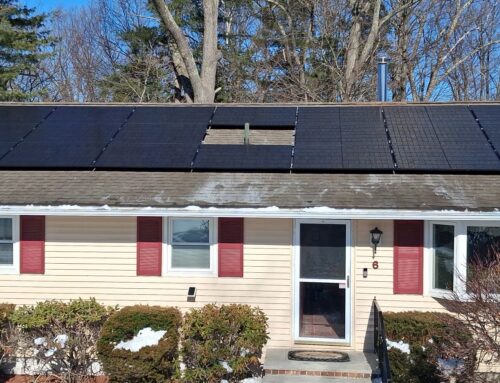
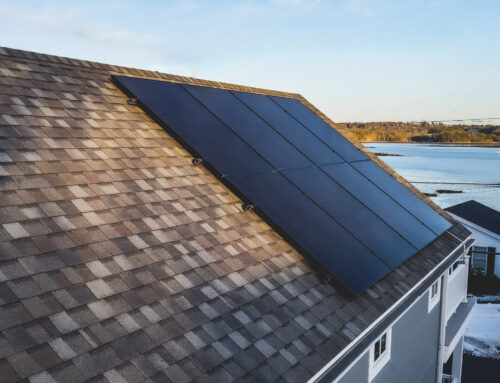
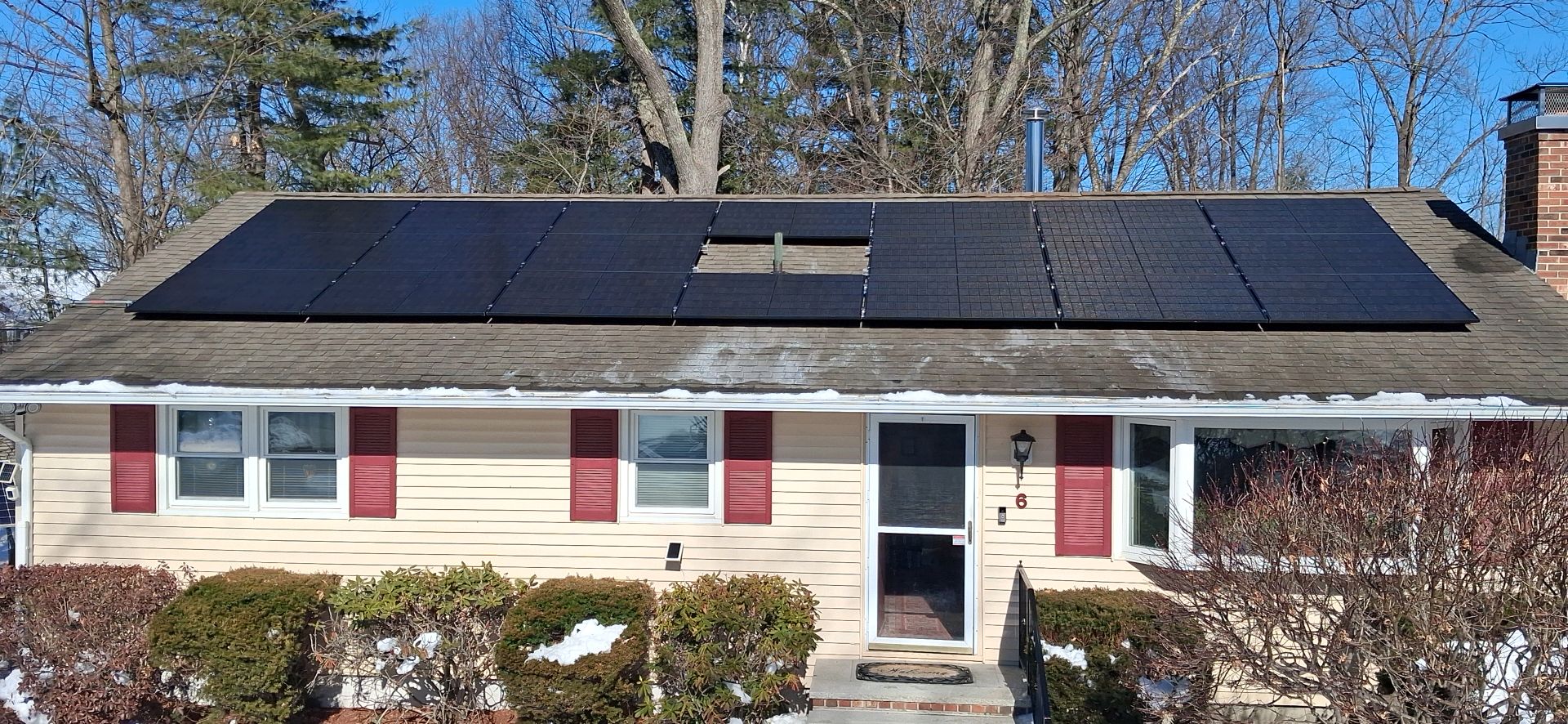
Spring solar harvest begins with this solar installation, helping homeowners maximize net metering credits and save on energy bills.
What Is the Spring Solar Harvest?
The spring solar harvest refers to the increase in energy production during spring that allows homeowners to generate excess electricity and build net metering credits.
As winter transitions into spring:
-
Daylight hours increase
-
The sun sits higher in the sky
-
Solar panels operate efficiently in cooler temperatures
-
Overall system production rises
This seasonal increase in production creates the opportunity to send excess energy back to the grid and earn credits.
How Net Metering Creates the Spring Solar Harvest
The spring solar harvest is driven by net metering policies in your state.
Net metering allows homeowners to send surplus solar energy back to the grid in exchange for credits on their utility account. These credits can then be used later when solar production is lower, such as at night or during winter months.
Here is how it works during the spring solar harvest:
-
Your system produces more electricity due to longer days.
-
Any unused electricity is sent back to the grid.
-
Your utility company credits your account.
-
Those credits reduce future electric bills.
The more energy you generate in spring, the more credits you can build for later use.
Net Metering by State
Maine
Maine operates under a Net Energy Billing structure that allows homeowners to earn credits for excess solar production.
Learn more about Maine’s net metering program here:
https://www.maine.gov/mpuc/electricity/net-energy-billing
Installing before the spring solar harvest allows Maine homeowners to build credits early and offset rising electricity costs.
Massachusetts
Massachusetts offers statewide net metering through the Department of Public Utilities.
Learn more about Massachusetts net metering here:
https://www.mass.gov/net-metering
The spring solar harvest can significantly increase the credits Massachusetts homeowners earn during peak production months.
Connecticut
Connecticut has transitioned to updated net energy billing programs while still supporting residential solar credit structures.
Learn more about Connecticut net metering and billing programs here:
https://www.eversource.com/residential/about/doing-business-with-us/interconnections/connecticut/connecticut-net-metering
The solar harvest allows Connecticut homeowners to generate excess energy and accumulate valuable utility credits.
New Hampshire
New Hampshire supports residential solar through net metering policies overseen by the Public Utilities Commission.
Learn more about New Hampshire net metering here:
https://www.puc.nh.gov/renewable-energy/net-metering.htm
Installing before the solar harvest ensures New Hampshire homeowners capture peak seasonal production and maximize annual savings.
Prepare Now for the Spring Solar Harvest
The spring solar harvest is one of the most important production periods of the year because it sets the foundation for your annual savings through net metering.
By installing solar before peak production begins, you can:
-
Generate more electricity during longer days
-
Build net metering credits early
-
Offset future seasonal energy use
-
Lower overall annual electric costs
If you live in Maine, Massachusetts, Connecticut, or New Hampshire, now is the time to prepare your home for the spring solar harvest.
Contact Suncovia today to schedule your free consultation and ensure your system is ready to take full advantage of spring production and net metering benefits: https://suncovia.com/free-quote/