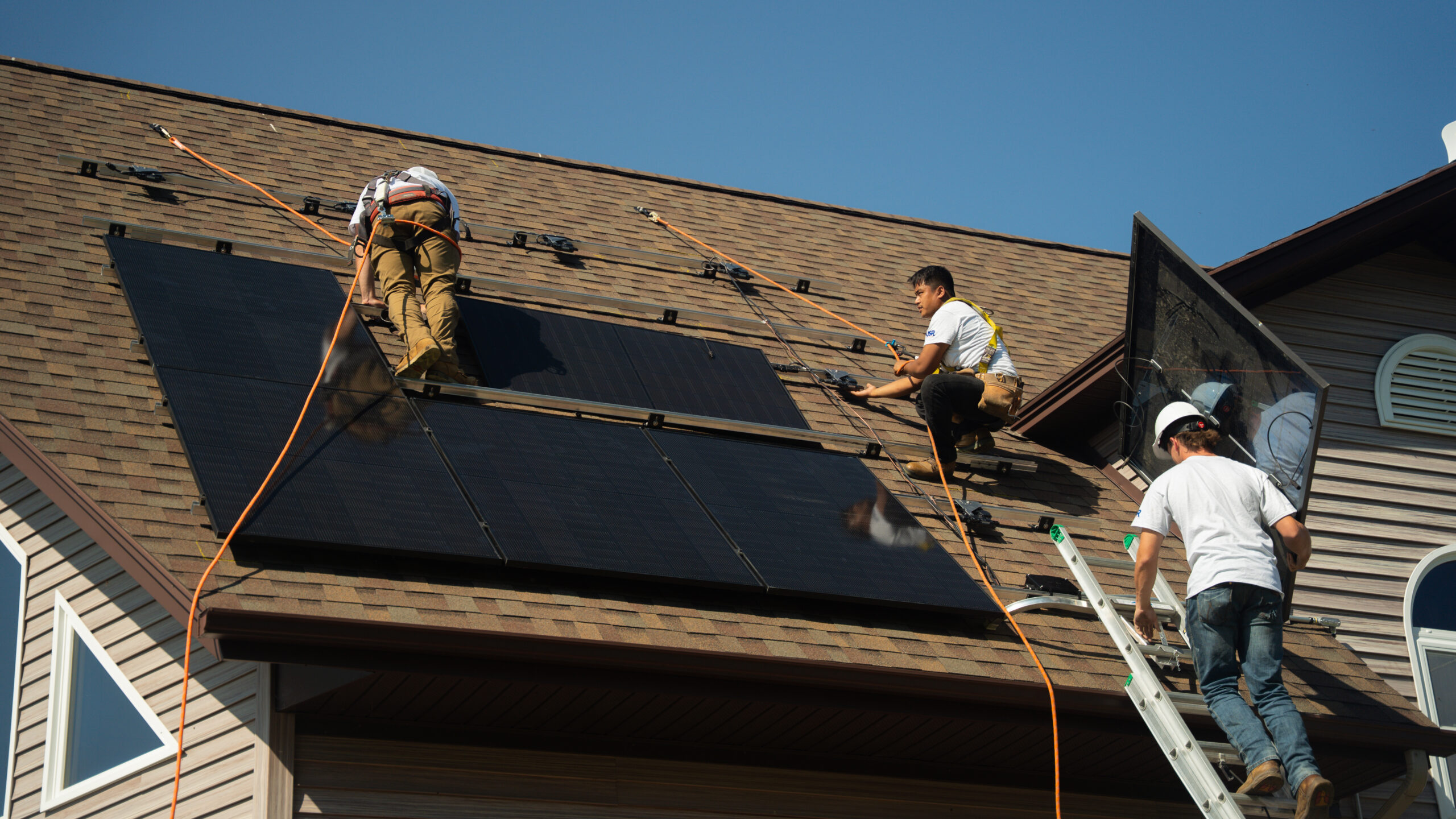
Maine electric rates in 2026 went up again on January 1st (WGME, 2026). Many homeowners are now paying an average of $150 or more per month for the same electricity usage as last year. Winter is already underway, and these higher rates are putting additional pressure on household budgets.
Understanding why Maine electric rates in 2026 are rising and taking action now can help homeowners manage costs for the remainder of the winter and in the years ahead.
Why Winter Electric Bills Are High in Maine
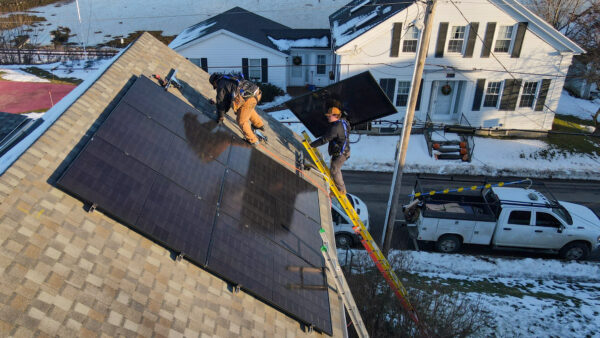
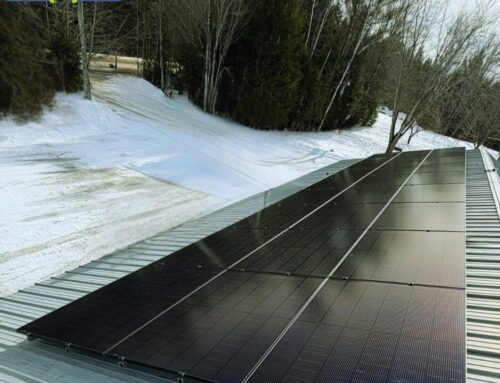
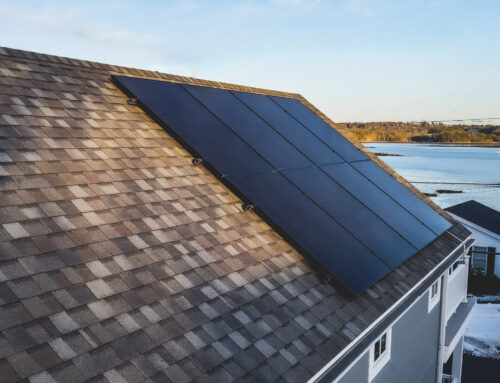
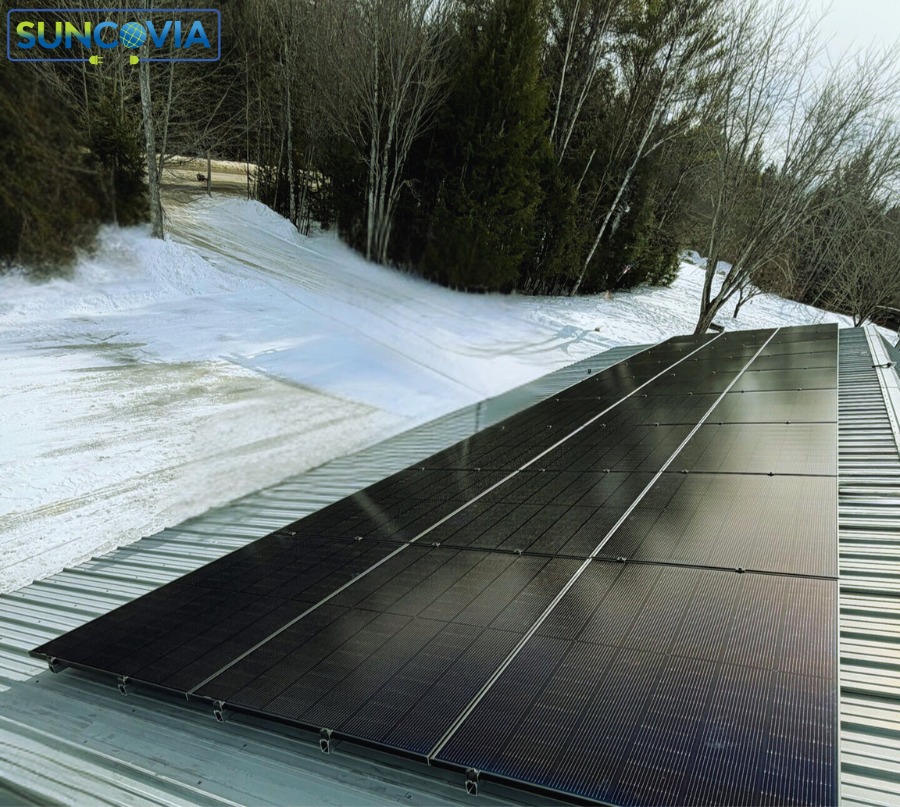
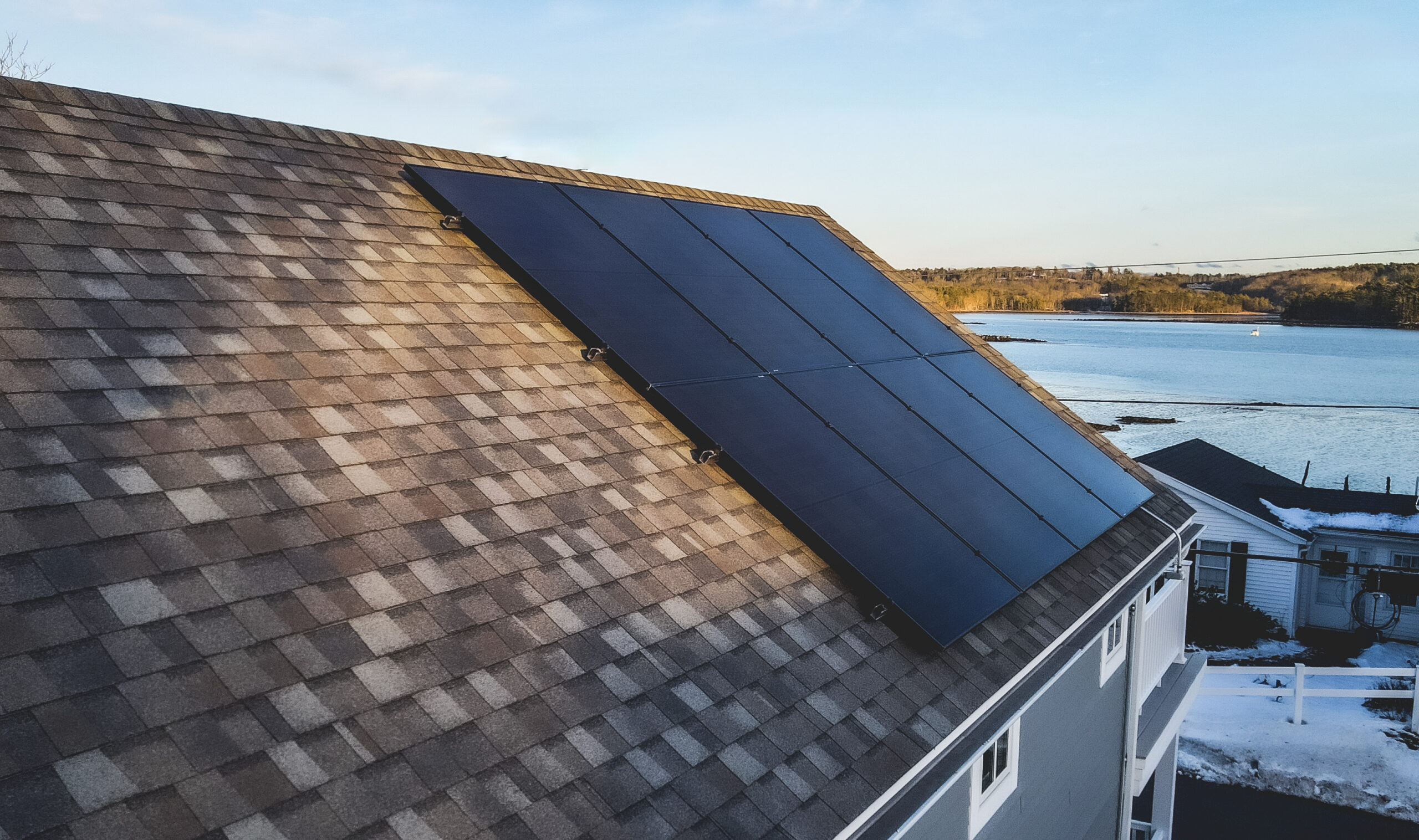
Rising Maine electric rates in 2026 are increasing winter bills, but solar energy can help homeowners start saving immediately.
Maine winters naturally drive up electricity use. Shorter days increase lighting needs, and electric heating systems such as heat pumps and baseboard heaters work harder as temperatures drop. Many homes also rely on electricity for water heating and supplemental heat during extreme cold.
When seasonal usage is combined with rising Maine electric rates in 2026, winter bills can increase quickly even if household energy habits remain the same.
What Changed on January 1
On January 1, Maine’s standard offer electricity supply rates increased for most residential customers. The standard offer is the default price paid for the electricity supply portion of a bill when a customer has not selected a competitive supplier.
Because this rate is charged per kilowatt-hour, homeowners are now paying more for the same amount of electricity they used last winter. These higher Maine electric rates in 2026 are affecting every bill moving forward, making cost management essential.
Why Usage Reduction Alone May Not Be Enough
Many homeowners try to manage winter bills by conserving energy. While efficiency improvements help, they cannot fully offset rising Maine electric rates in 2026.
Lowering thermostat settings, using fewer appliances, or switching to efficient lighting reduces usage but does not change the cost per unit of electricity. As long as Maine electric rates in 2026 remain higher, monthly bills can continue to climb. This is why many homeowners are now looking beyond short-term conservation and toward longer-term solutions.
How Solar Helps Reduce Exposure to Rising Rates
Solar energy provides a practical solution for homeowners affected by high Maine electric rates in 2026. Generating your own electricity reduces reliance on utility-supplied power and shields you from annual rate increases.
Even during winter, solar systems produce energy and help offset grid usage during sunnier days. Excess production during sunnier months can be credited and applied later, helping balance seasonal differences.
Taking Action Mid-Winter Still Matters
Winter may already be underway, but there is still time to take meaningful action. Homeowners can start by reviewing recent electric bills to understand current usage patterns and costs. Simple adjustments such as sealing drafts, managing thermostat schedules, and reducing unnecessary electricity use can help control spending for the remainder of the season.
At the same time, exploring solar options now allows homeowners to plan ahead rather than react to future rate increases. Solar evaluations can determine whether a home is a good fit and what potential savings may look like.
Planning Ahead for Future Winters
Maine electric rates in 2026 are reviewed and updated annually, which means winter bills can change from year to year, often with little warning. Developing a long-term energy strategy that includes efficiency improvements and solar generation can help protect household budgets from ongoing rate volatility.
Conclusion
Winter electric bills in Maine are already higher, and January 1 rate changes in 2026 are now affecting households statewide. By understanding what changed, managing usage wisely, and considering long-term solutions like solar, homeowners can regain control over their energy costs this winter and in the years ahead.
Suncovia is locally owned and operated here in Maine and has helped thousands of homeowners go solar. With Suncovia, our free solar installation plan means no upfront cost and you start saving right away.