Solar Affordable in 2026: Why It Is Still a Smart Choice
Plan ahead with Suncovia and see how solar affordable in 2026 can help you take control of energy costs.
Many homeowners think that solar in 2026 is uncertain. With the 30% federal solar tax credit ending on December 31, 2025, it is natural to wonder if solar will remain accessible. The good news is that solar affordable in 2026 is still possible for homeowners across New England, including Connecticut, Maine, Massachusetts, and New Hampshire, with Suncovia.
The Federal Tax Credit Is Ending
Starting in 2026, most homeowners will no longer be able to claim the federal solar tax credit. While this may feel like a setback, it does not mean solar is out of reach. Suncovia’s program allows qualifying homes in New England to start saving immediately without large upfront costs, making it easier than ever to find solar affordable in 2026.
Rising Utility Rates Make Solar Affordable in 2026
Electricity costs continue to rise across the region. In Maine, new electricity rates set to take effect on January 1, 2026 are expected to push many households’ bills higher, with some customers likely to pay at least $150 more per month for the same usage. Similar trends are being seen in parts of Connecticut, Massachusetts and New Hampshire, where rising utility costs are putting more pressure on households’ energy budgets. Installing solar now or planning ahead with Suncovia helps protect against these increasing energy costs and gives homeowners more control over their bills. This shows that solar affordable in 2026 is not just possible, it is essential for managing energy costs. (mainemorningstar.com)
Homeowners who wait may find themselves paying more for the same energy usage, while those who act now can lock in lower costs and take control of their energy bills. Suncovia’s program is designed to make this transition simple and affordable for every qualifying household.
Full-Service Solar That Makes Life Simple
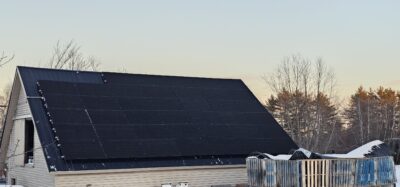
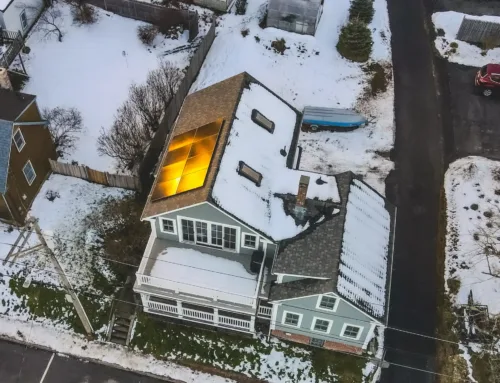
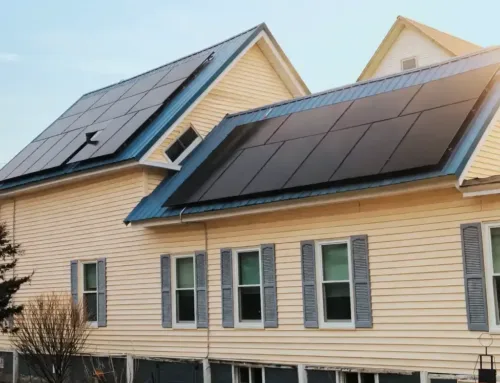
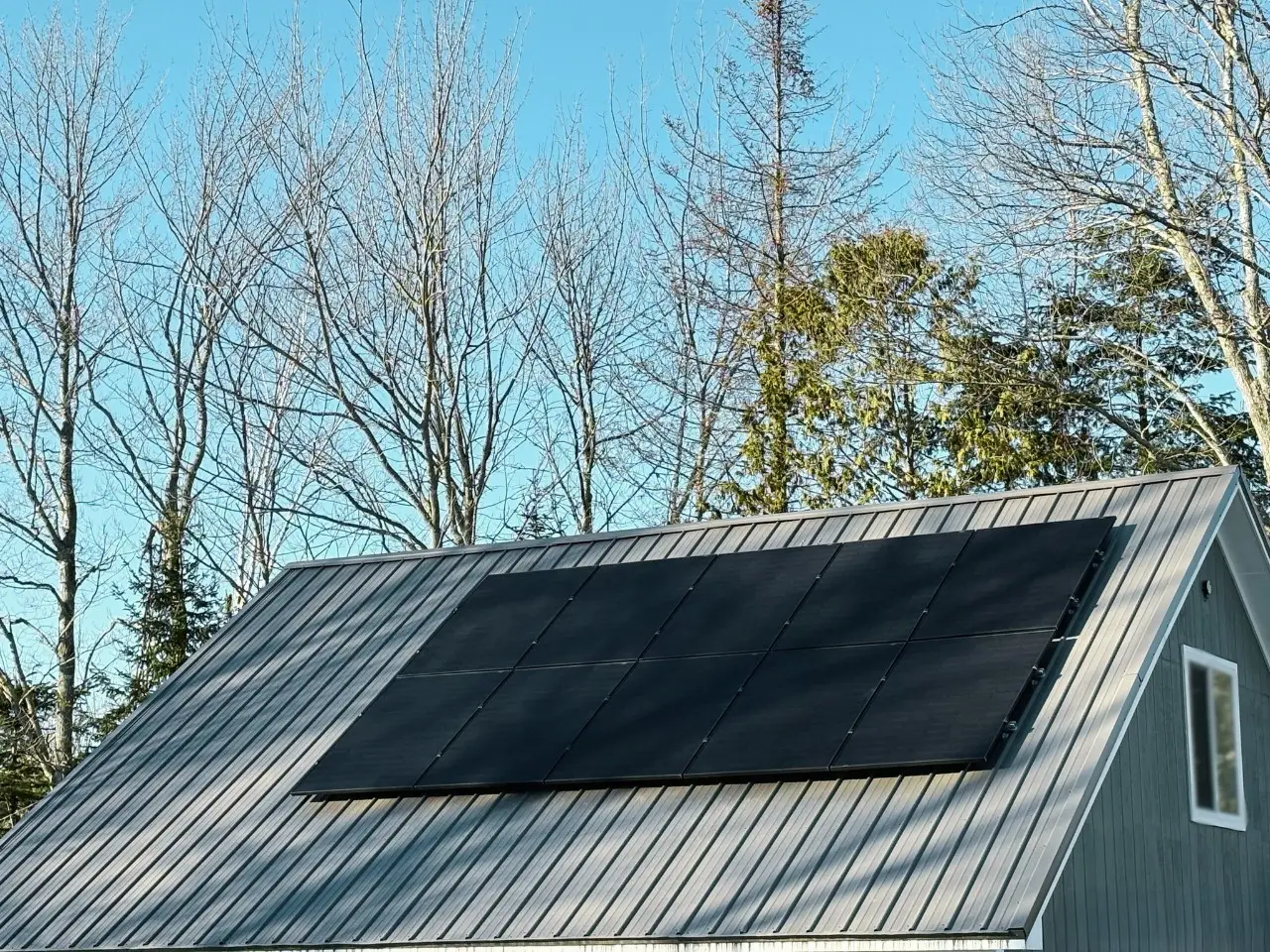
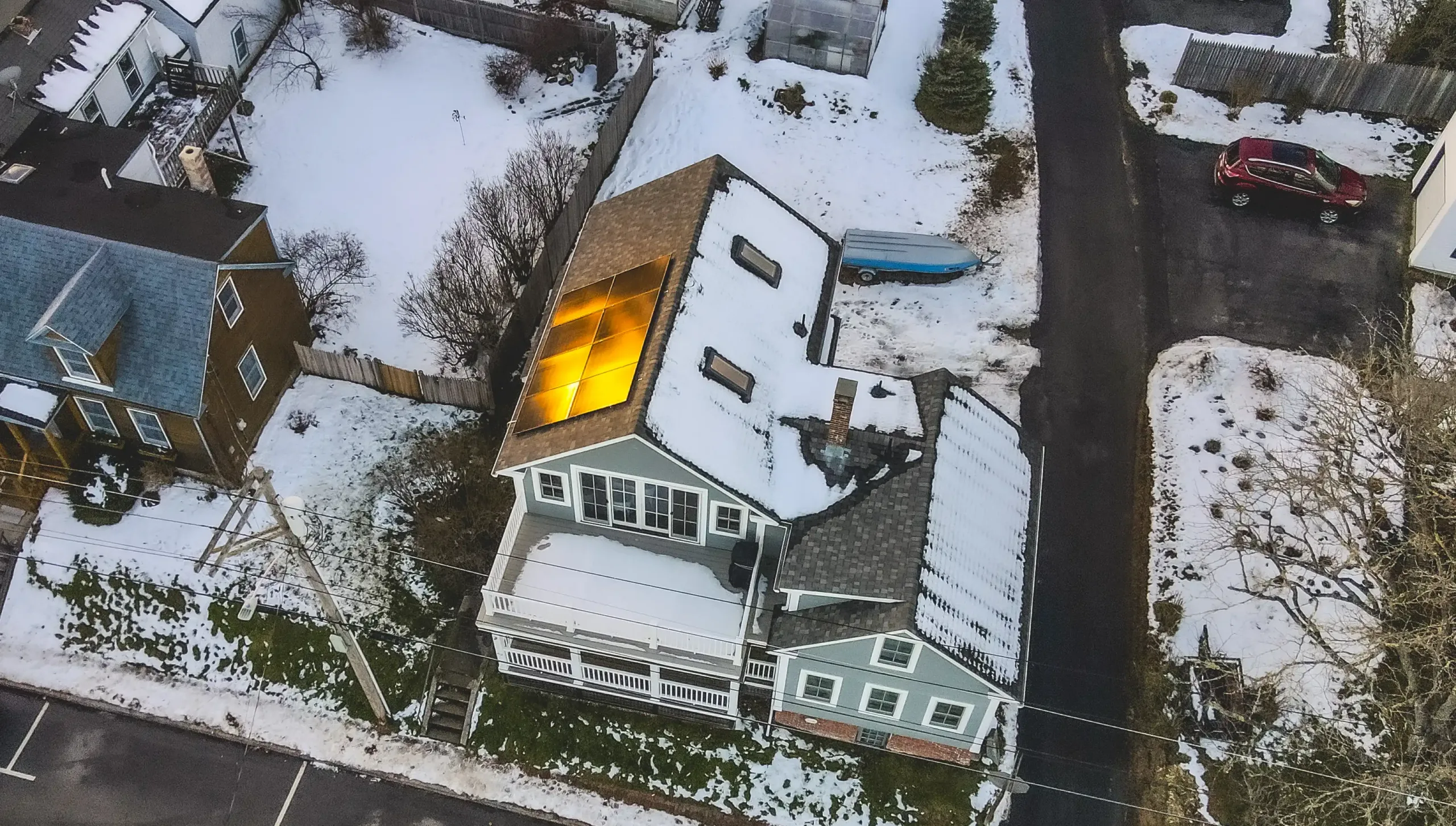
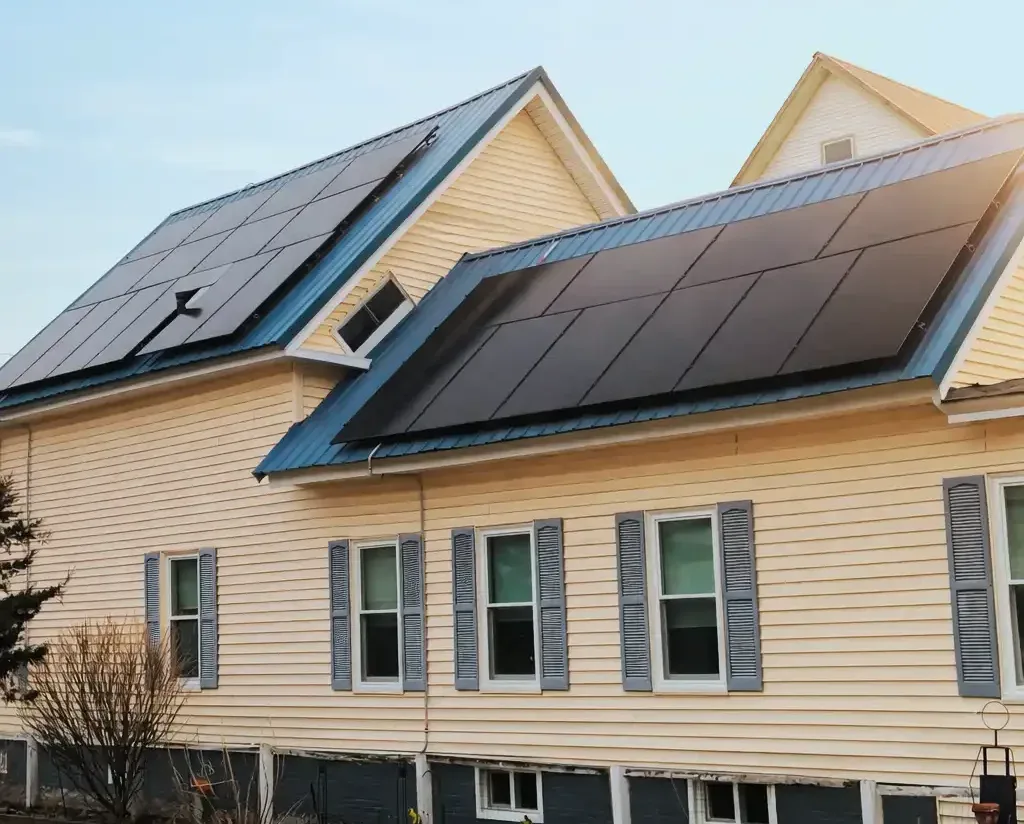
Suncovia’s rooftop solar solutions make it simple to start saving now and prepare for solar affordable in 2026.
Some homeowners worry that without tax credits, solar will be complicated or expensive. Suncovia handles everything from design and permitting to installation and ongoing support, so going solar is simple, reliable, and stress-free. Our $0 upfront program ensures that solar affordable in 2026 is available to qualifying homes throughout New England without financial strain.
Suncovia also works closely with homeowners to customize solar solutions for their specific energy needs. This ensures that each system is optimized for maximum savings, whether a household wants to offset a portion of their electricity usage or go fully solar.
Why Homeowners Should Plan Ahead
Planning for solar affordable in 2026 now allows homeowners to avoid the rush and make informed decisions about their energy future. Rising utility rates and the expiration of the federal tax credit make early planning a smart choice. With Suncovia, homeowners can schedule consultations, evaluate their energy usage, and lock in their solar system installation on their terms, without being pressured by short deadlines.
Why Suncovia Makes Solar Affordable in 2026
With Suncovia, solar affordable in 2026 means:
-
No upfront costs for installation
-
Immediate savings on your electric bill
-
Full-service installation handled by our expert team
-
Protection against rising utility rates across New England
-
Customized solutions to fit every home’s energy needs
Homeowners who plan ahead with Suncovia can lock in savings and take control of their energy bills. Solar affordable in 2026 is not just possible but simple and stress-free.
The Bottom Line
Solar in 2026 may feel uncertain to some, but with Suncovia’s $0 upfront program and full-service approach, it remains a smart, affordable, and accessible choice. Rising energy costs make solar affordable in 2026 an essential investment for homeowners in New England.
See if your home qualifies today and find out how Suncovia makes solar affordable in 2026. Visit https://suncovia.com/free-quote/.